
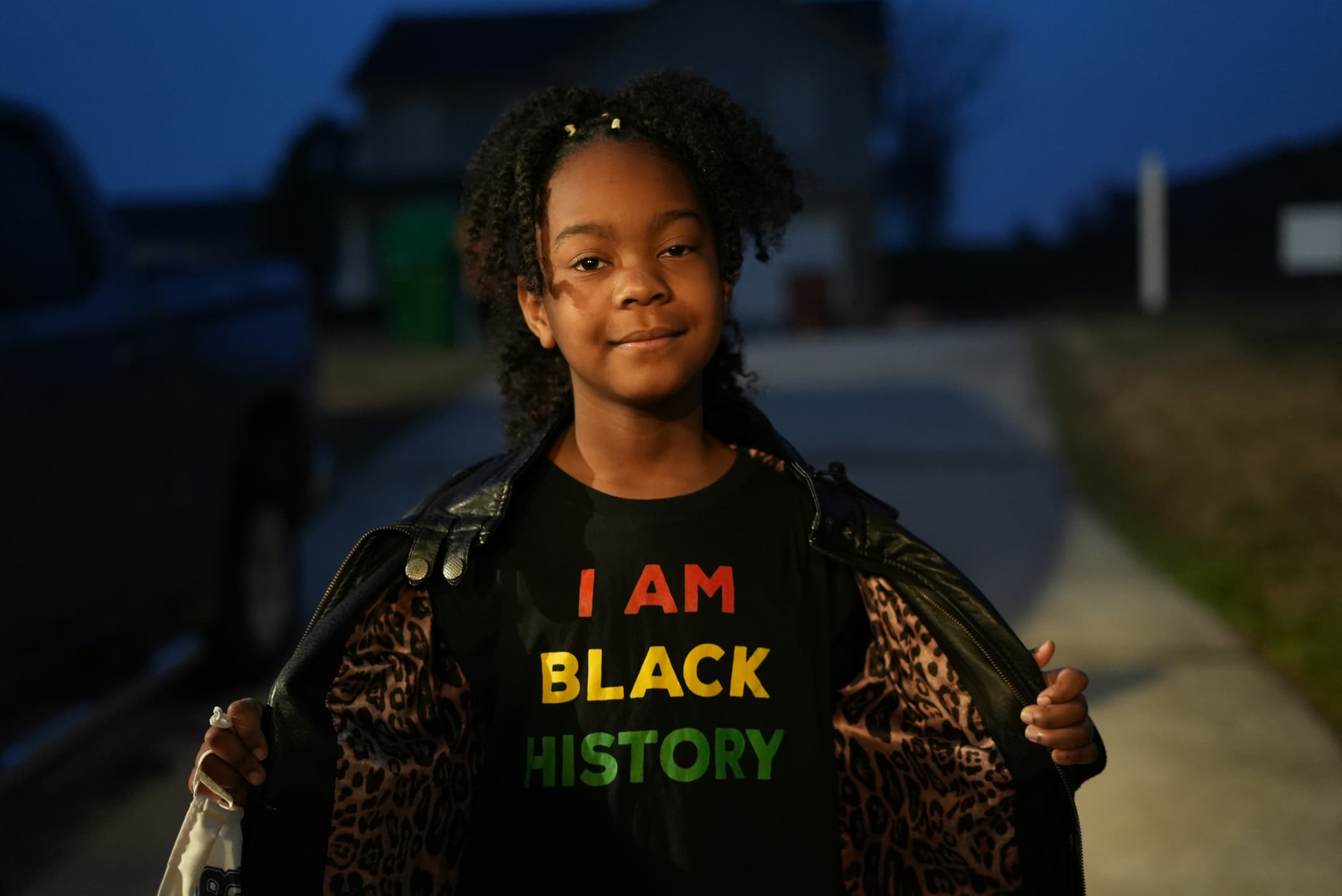
Black History Month arrives every February with familiar rhythms: campaigns, posts, panels, classroom events, and public celebrations.
While February offers a calendar marker, the work it invites is not seasonal. It asks organizations, communicators, and leaders to engage with history and its ongoing relevance, amplifying voices that are too often sidelined, and reflecting that depth in how stories are told.
Storytelling has always been foundational within Black communities, as survival, memory, and shared wisdom. It was a tool for passing knowledge, culture, and resistance when formal educational avenues were closed or incomplete. For communicators in impact work, this month provides a chance to ask how we can echo that legacy: to uplift narratives in ways that respect agency, honor experience, and reflect actual impact.
7 Things Your Team Can Do to Celebrate Black History Month Through Communication
1.Center authentic voices and experiences
Rather than telling someone’s story for them, create space for Black leaders, creators, and community members to speak in their own words. This kind of pass-the-mic approach makes your platform a conduit.
2. Highlight lesser-known histories and contributions.
Black History Month is about the untold stories that shape culture, community, and progress. Share curated historical insights, archives, and links to educational resources that expand understanding.
3. Promote and collaborate with Black-owned organizations and creators.
Support goes beyond mention, it can involve sharing platforms, partnering on programming, or amplifying work that already exists within the Black community. Genuine collaboration invites shared impact.
4. Embed this month’s work in long-term practice.
Committing to diversity, equity, and inclusion only in February rings hollow. Organizations should think about how lessons learned this month inform communication and culture throughout the year.
5. Use storytelling to reflect history with nuance.
Profiles, interviews, and narratives that focus on lived experience deepen connection and understanding in ways that facts alone cannot. Stories surface context, complexity, and humanity.
6. Facilitate meaningful conversations internally.
Use team meetings, newsletters, and internal channels to share resources, encourage reflection, and foster dialogue about history, bias, and inclusion.
7. Acknowledge and interrogate your own narrative history.
Ask Questions Like:
- Whose stories have we highlighted?
- Whose voices have we omitted?
- How can our communication reflect deeper engagement with truth and history?
This kind of internal reflection supports greater external clarity and integrity.
Black History Month is an invitation to pause, learn, and lift narratives with intention. It asks us to examine what we communicate, and how and why we do so.
.If you want support telling stories that are honest, human, and rooted in real work, get in touch with us at IconiQ, let’s shape narratives that matter.